

Lighting up Teal for DCD Awareness
DCD Awareness Week is a time to grow understanding of Developmental Coordination Disorder, or DCD, and to celebrate the strengths, perseverance and achievements of people living with DCD.
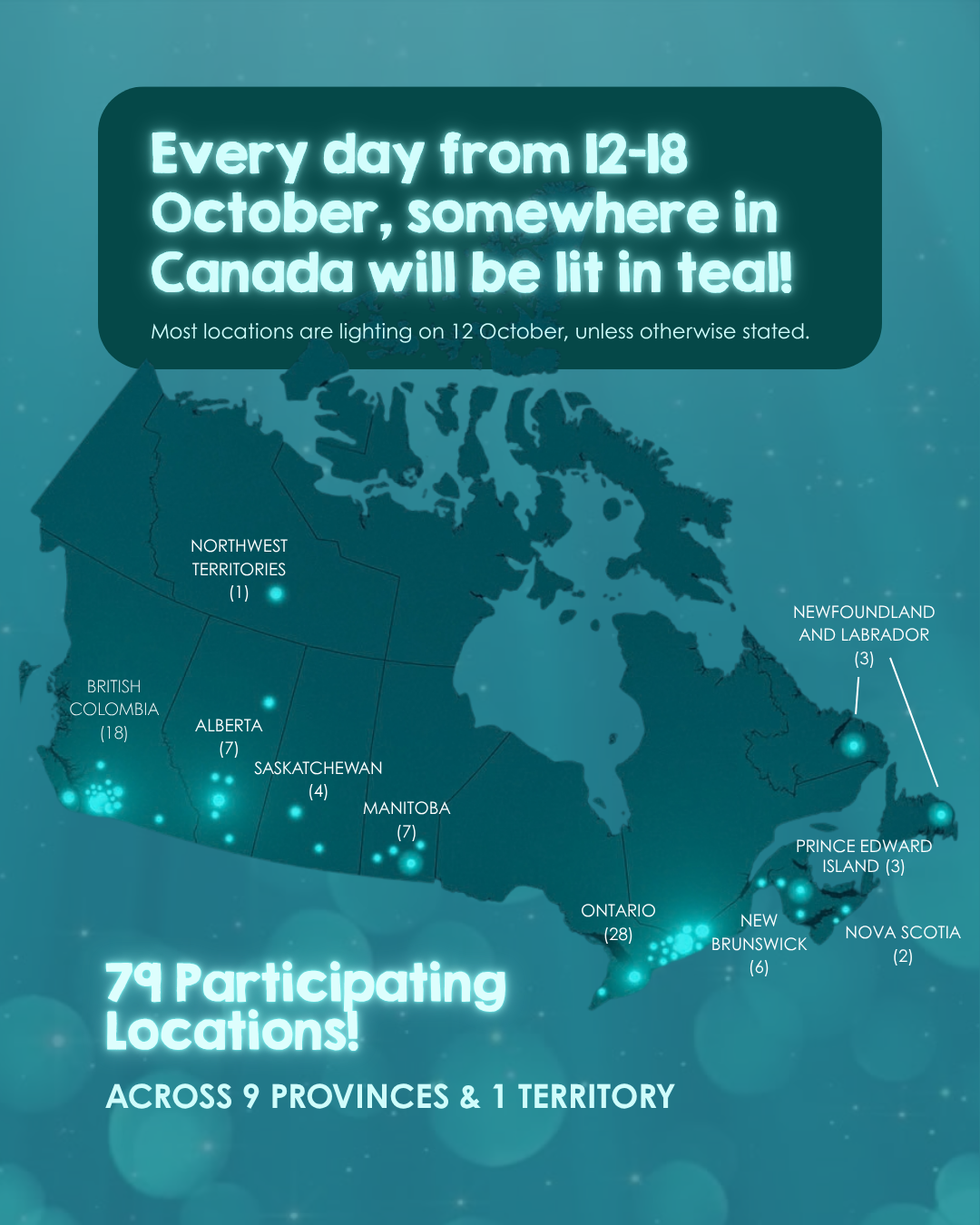
From Monday 12 October, landmarks and community spaces across Canada will light up in teal to help make DCD more visible. This year, 79 participating locations are currently confirmed, with more communities continuing to get involved.
Across the week, DCD Kids will share practical, strengths-based information about living with DCD from early childhood through to adulthood. Together, families, educators, health professionals, workplaces and communities can help create a future where people with DCD are understood, supported and empowered.
What is Developmental Coordination Disorder?
Developmental Coordination Disorder is a lifelong neurodevelopmental condition that affects movement, coordination and everyday tasks. DCD can make activities such as dressing, handwriting, using cutlery, keeping up with routines or taking part in sport more difficult.
DCD does not reflect a person’s intelligence, worth or potential. With understanding, practical supports and opportunities to do things in ways that work for them, children, young people and adults with DCD can build confidence and live happy, fulfilling lives.
Highlights of DCD Awareness Week 2026
Teal landmark light-ups - On Monday 12 October, 79 currently confirmed locations across Canada will light up in teal. Most locations will shine on the night, while some will be lit later in the week or throughout the campaign.
Awareness across life stages - This year’s campaign follows the experience of DCD across life. We will explore early childhood, school years, adolescence, young adulthood and adulthood, because support should grow with the person.
Practical advocacy and action - We will share ways families, schools, communities and workplaces can remove barriers, support participation and listen to what helps each person thrive.
How You Can Get Involved
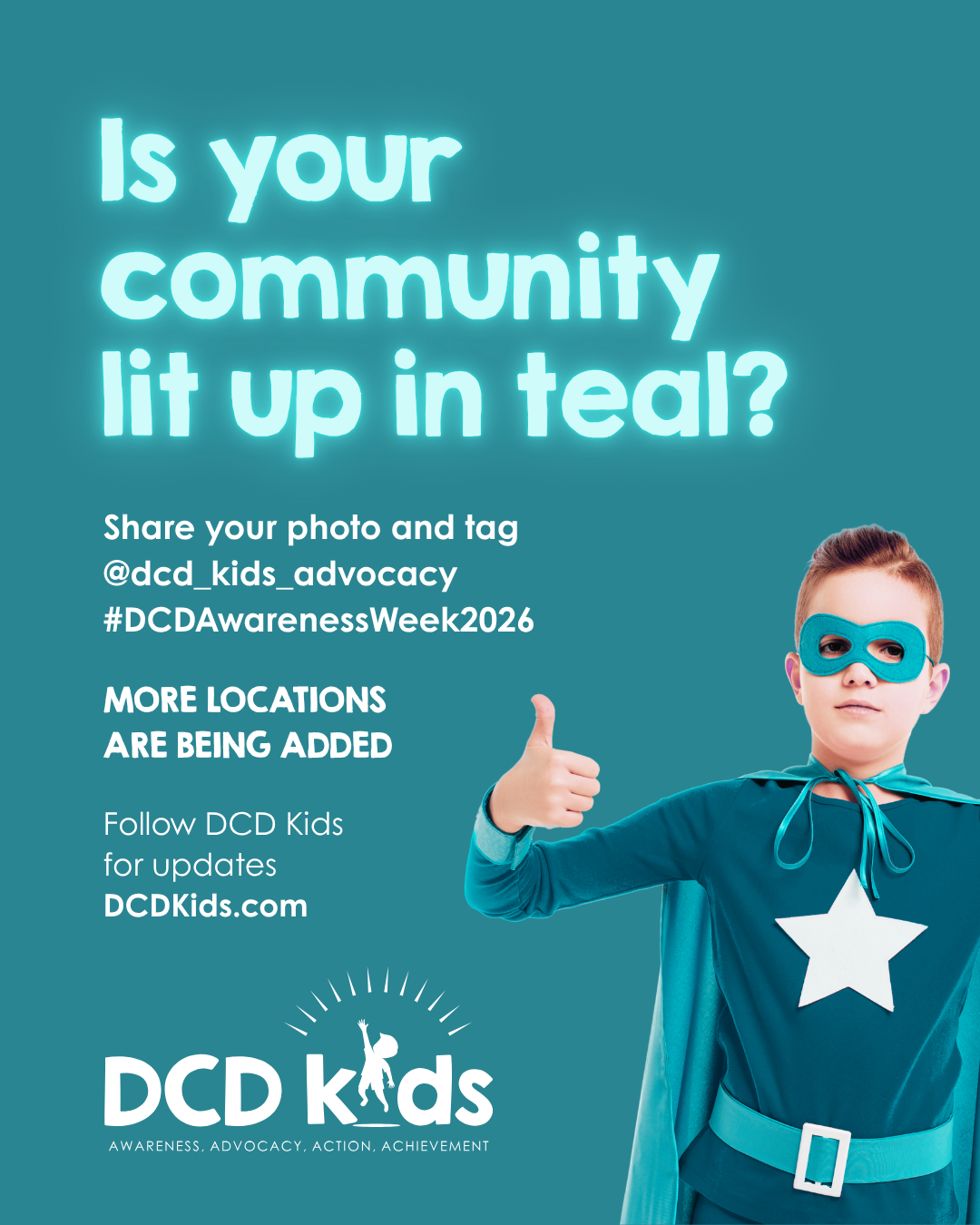
Spot the teal - Visit a participating light-up location and share your photos using #DCDAwarenessWeek2026. Tag @dcd_kids_advocacy so we can celebrate your community.
Learn and share - Explore the DCD Kids resources, then share trusted information with the people around you. Greater understanding can make everyday life more inclusive for people with DCD.
Help bring DCD awareness to your community
Would you like your local landmark, school, workplace or community group to be involved in a future campaign? Contact Sue at DCD Kids to register your interest.
A Year-Round Commitment
While the teal lights shine brightest during DCD Awareness Week, our mission continues year-round. This page will host updates for future DCD Awareness Week events, resources for families and educators, and inspiring stories that highlight the achievements of people with DCD.
If you would like your community to be involved next year, email sue@dcdkids.com for more information.
MONDAY - LIGHTS UP DAY
Today marks the start of DCD Awareness Week 2026! 💙
Tonight, landmarks and community spaces across Canada will light up in teal to grow awareness and understanding of Developmental Coordination Disorder, or DCD. Seventy-nine participating locations are currently confirmed, with more being added as communities join the campaign.
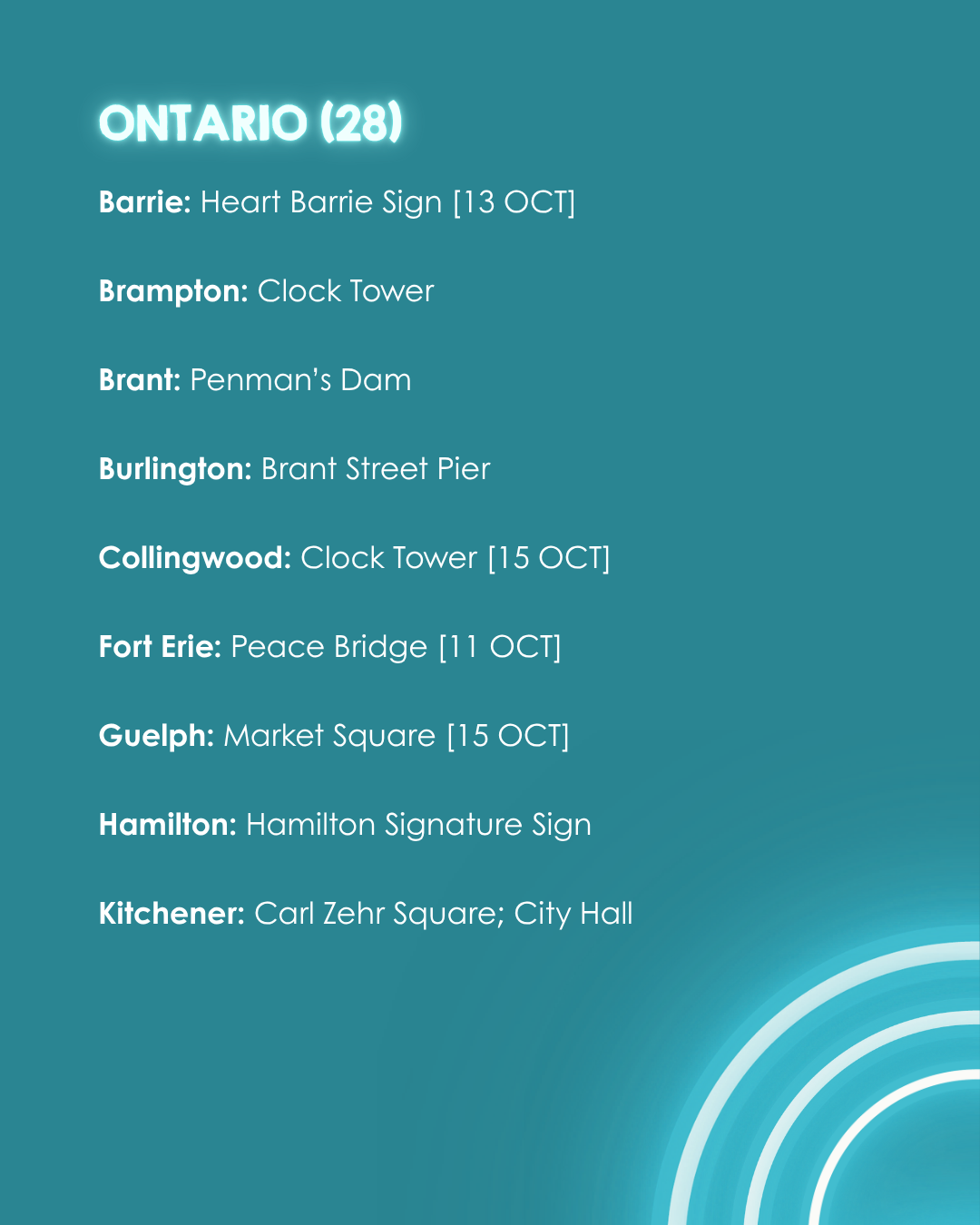
Most locations will light up on 12 October. A small number will shine later in the week or throughout the campaign, so please check the current location list for individual dates.
These teal lights are a visible reminder that DCD is common, lifelong and still too often misunderstood. Together, we are shining a light on DCD and the children, young people and adults who live with it every day.
Spot teal in your community? Share a photo, tag @dcd_kids_advocacy and use #DCDAwarenessWeek2026.










TUESDAY - AWARENESS
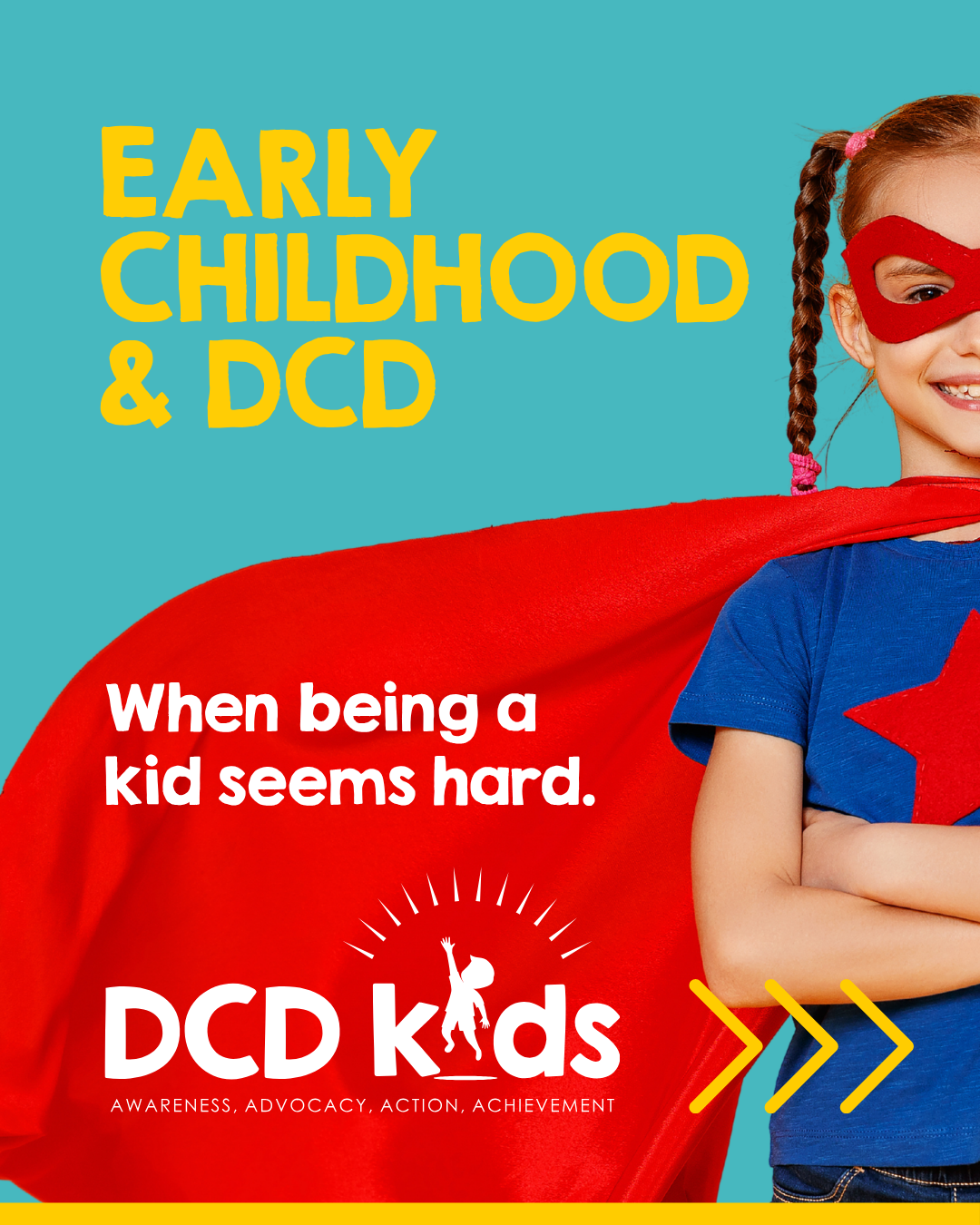
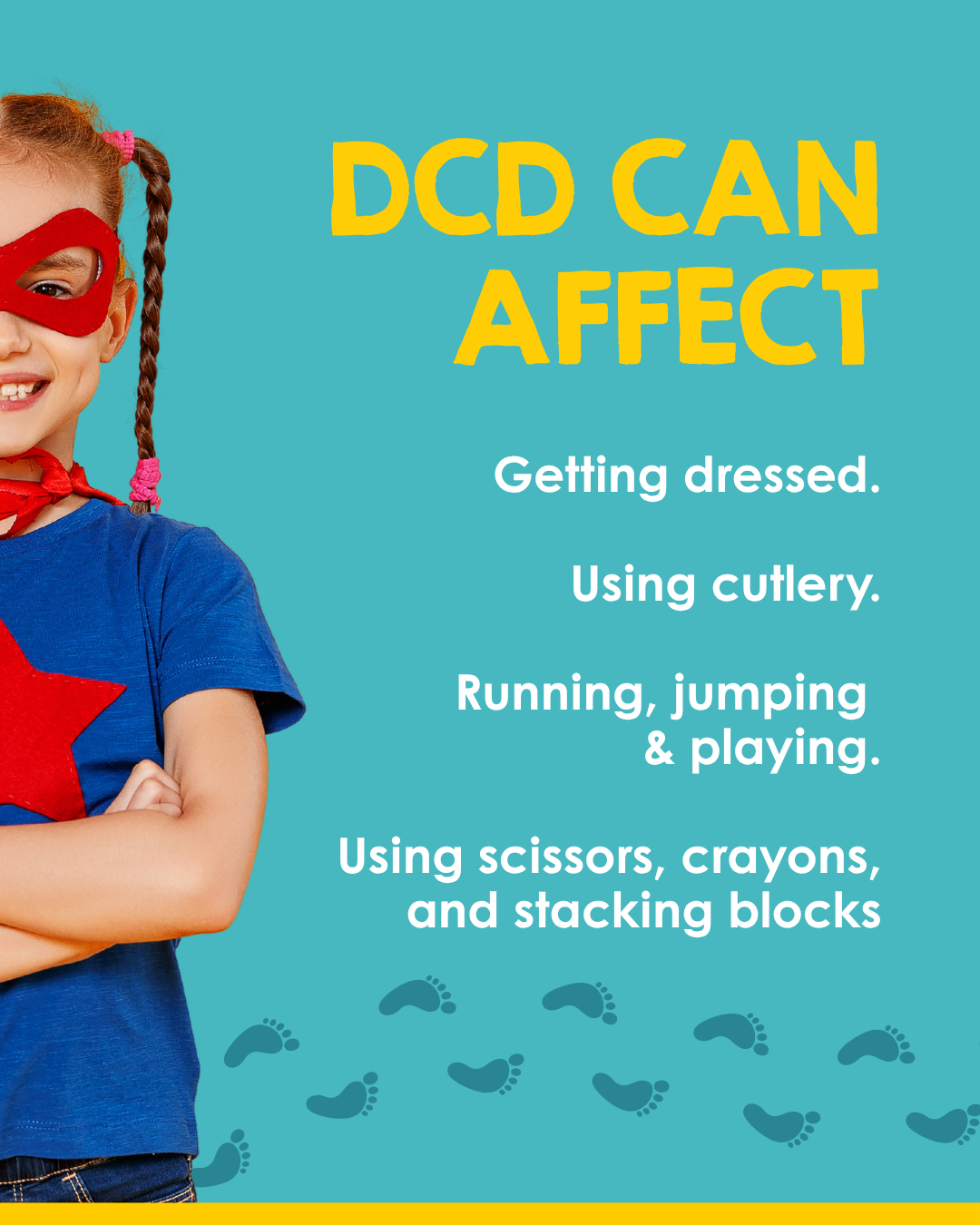
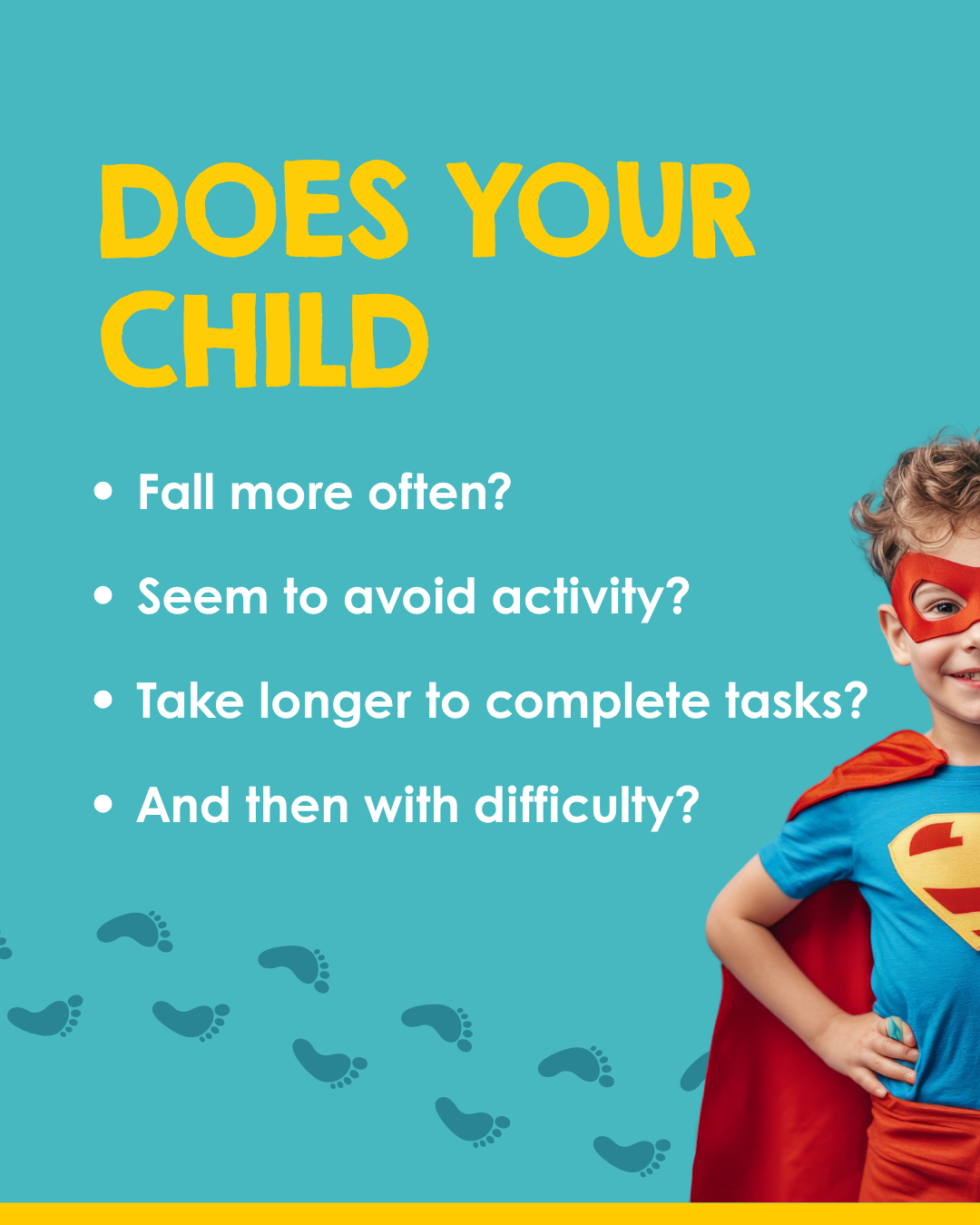
Early childhood brings so many new skills, from feeding and dressing to playing, climbing and joining in with friends. For some children, these everyday activities can take extra effort because of DCD.
DCD affects movement and coordination, not intelligence. Every child has their own strengths, interests and potential, and every child deserves to feel capable as they learn and grow.
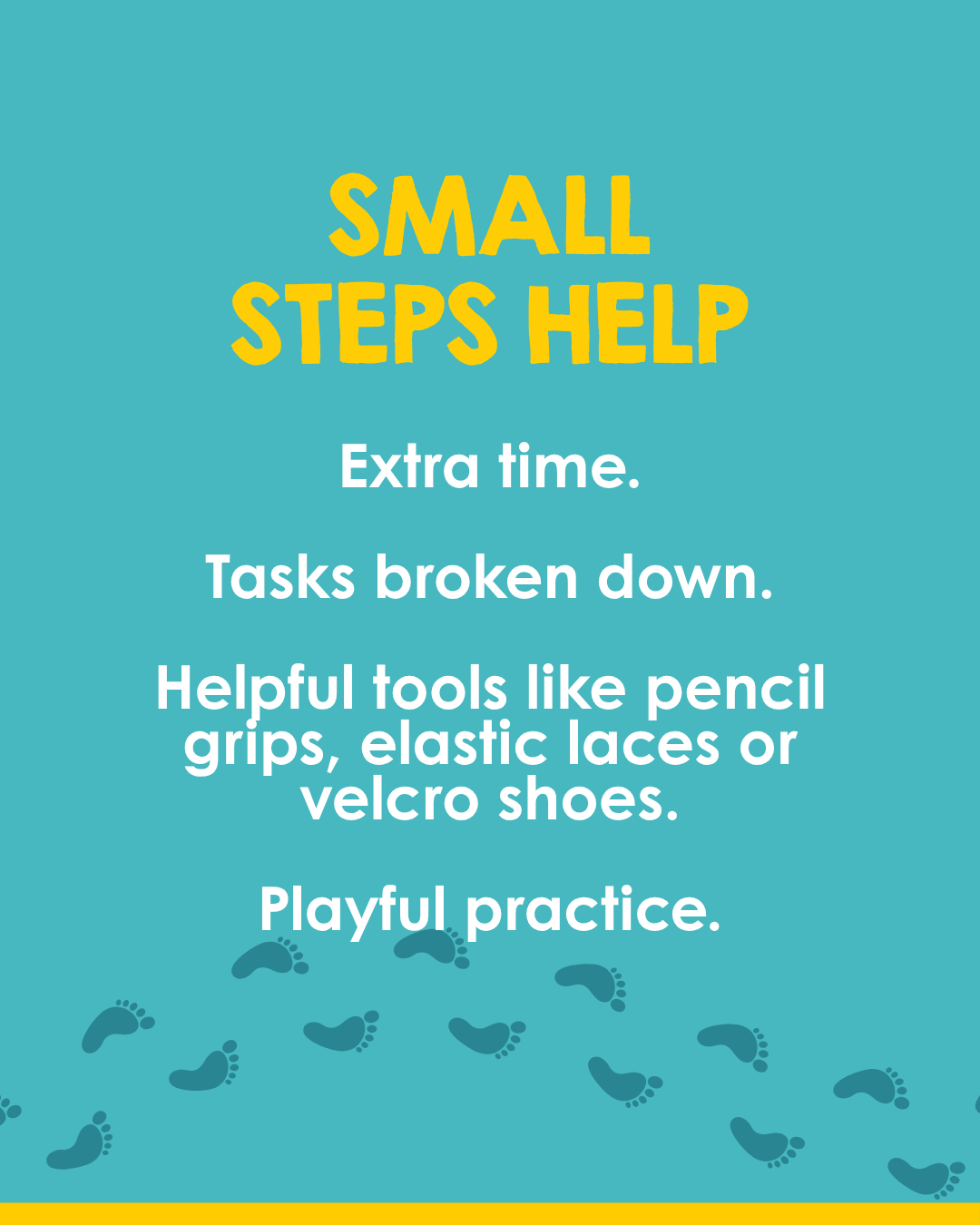
If you have questions about your child’s movement or coordination, you do not have to navigate them alone. Talking with the people who support your child and exploring trusted information can be a helpful place to start. At home, simple changes such as extra time, smaller steps and playful practice can help build confidence.
Progress is not a race. Every attempt, new skill and proud moment is worth celebrating.
Learn more at DCDKids.com. #dcdawarenessweek2025


WEDNESDAY - DCD at SCHOOL
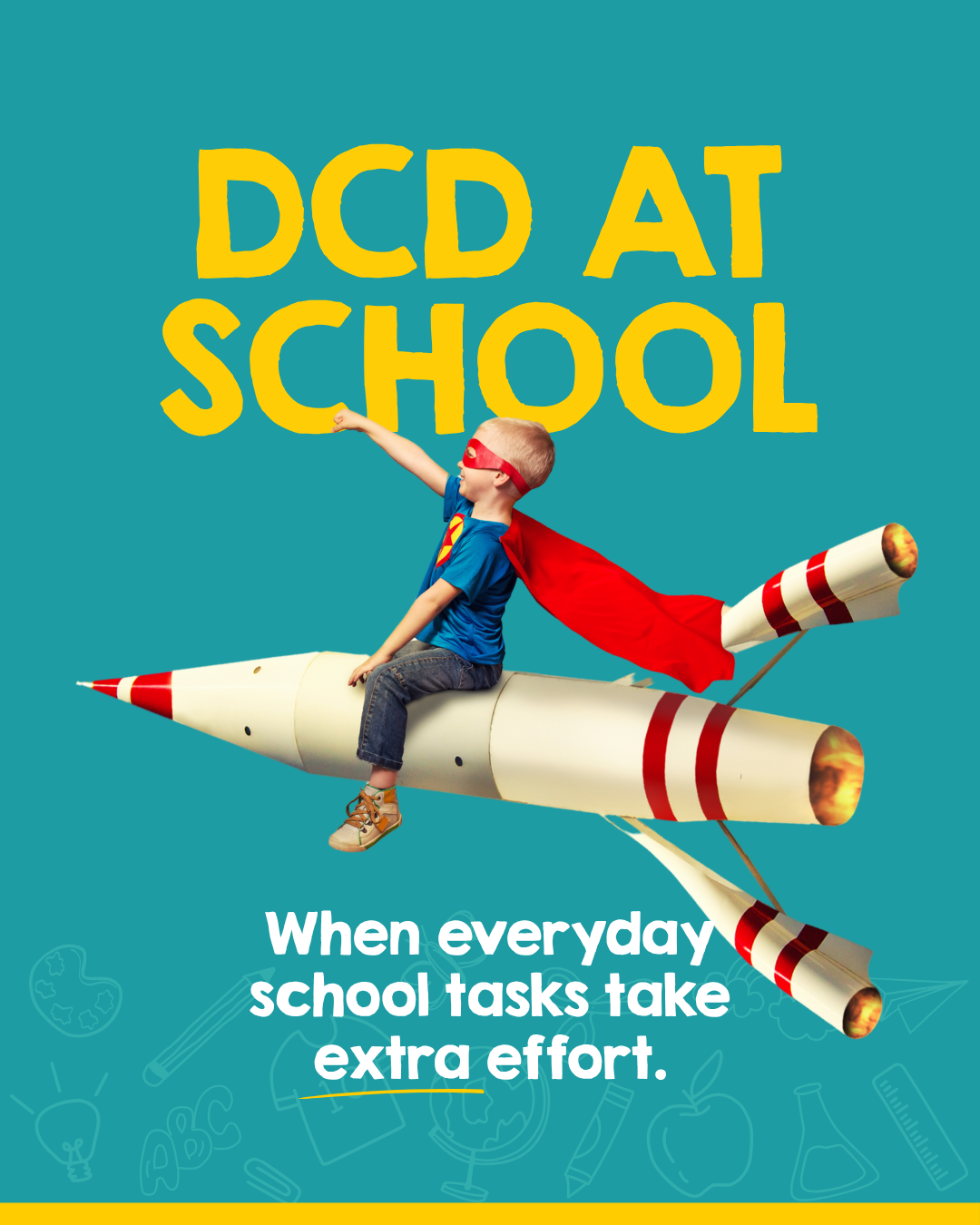
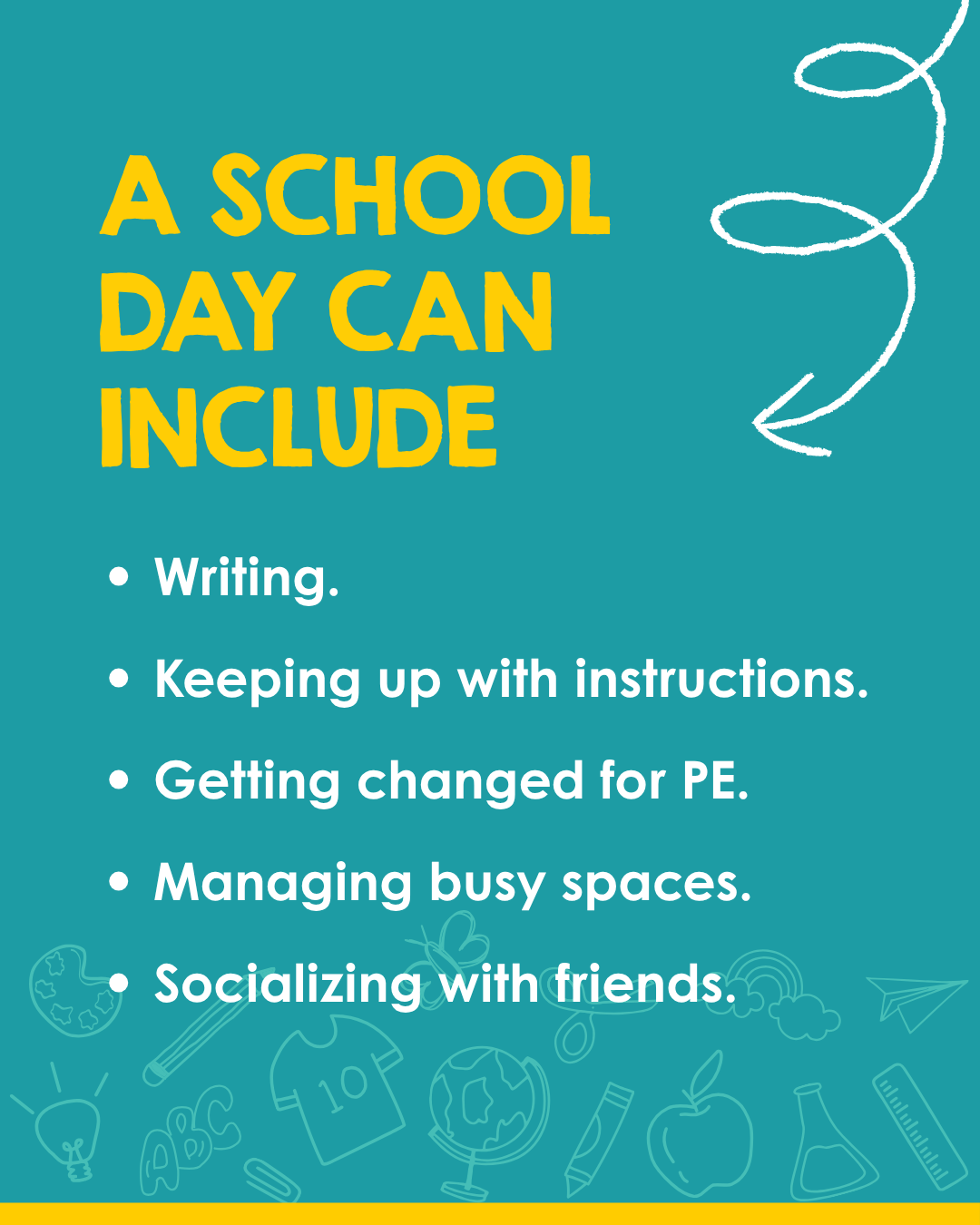
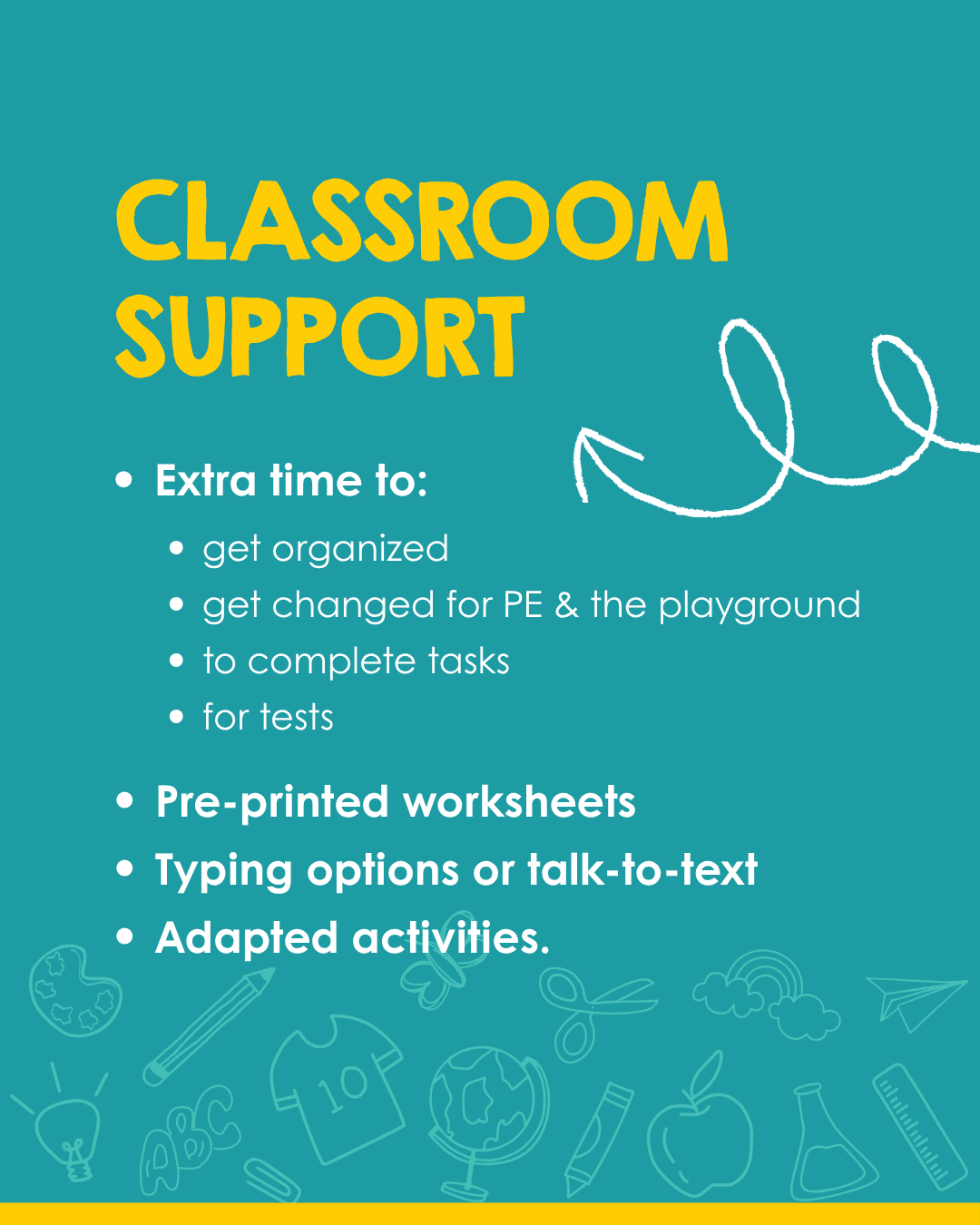
For a child with DCD, many parts of the school day can require extra energy. Writing, following multi-step instructions, getting changed for PE, managing materials and joining in with playground games may all feel harder than they look.
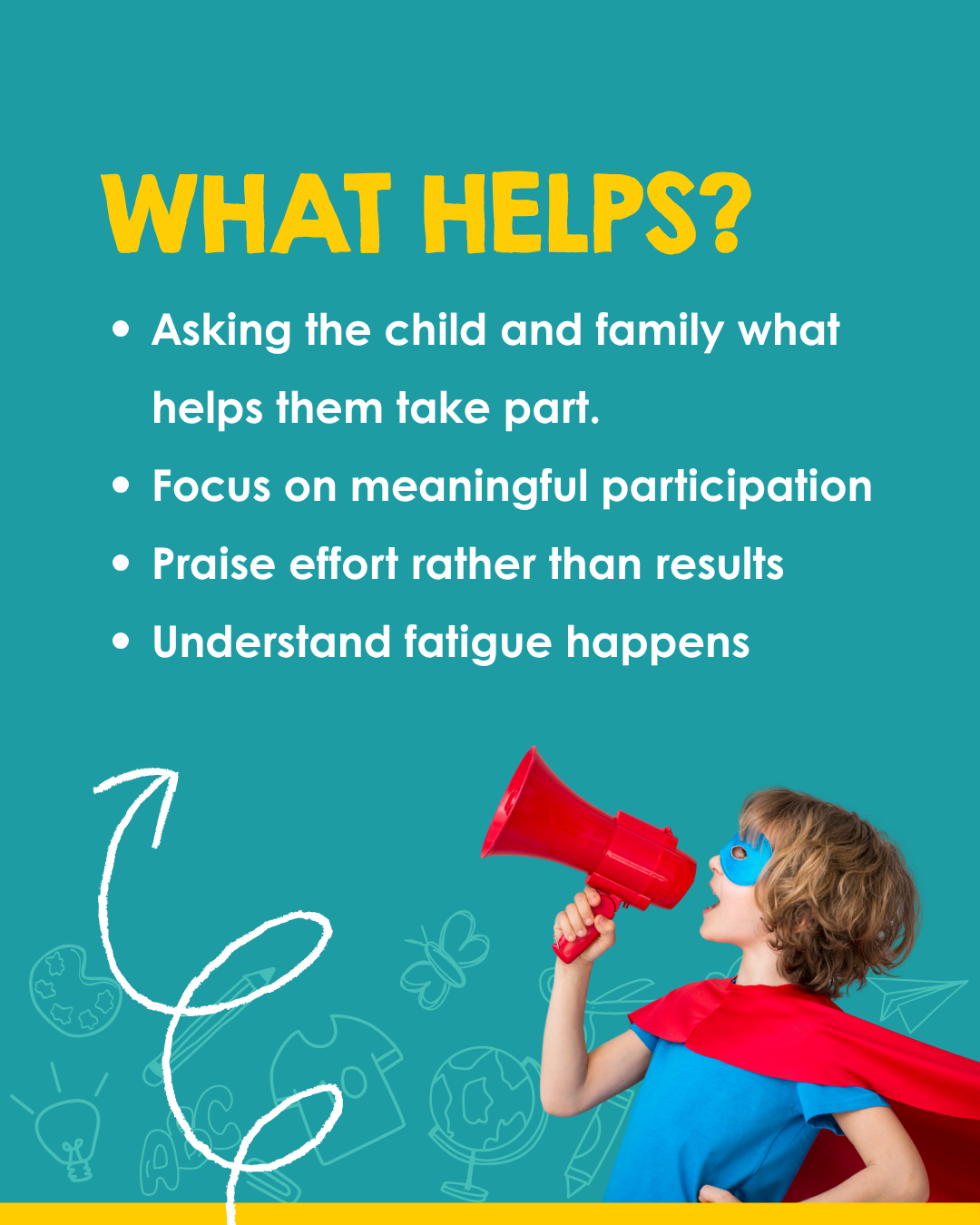
Understanding matters. When schools and families work together, practical and individualised supports can remove unnecessary barriers and help a child take part with more confidence. This may look like extra time, written instructions, typing options, adapted activities or another adjustment that suits the child.
Support is not about lowering expectations. It is about giving every child a fair chance to learn, belong and show what they can do.
THURSDAY - DCD IN THE TEEN YEARS
The teen years can bring greater independence, along with new expectations at school, in sport, at work and in everyday life. For young people with DCD, tasks such as managing deadlines, navigating busy environments, learning to drive or keeping up with practical coursework can take extra planning and energy.
What is visible on the outside is not always the full story. A young person may be working very hard to keep up, even when they appear to be managing.
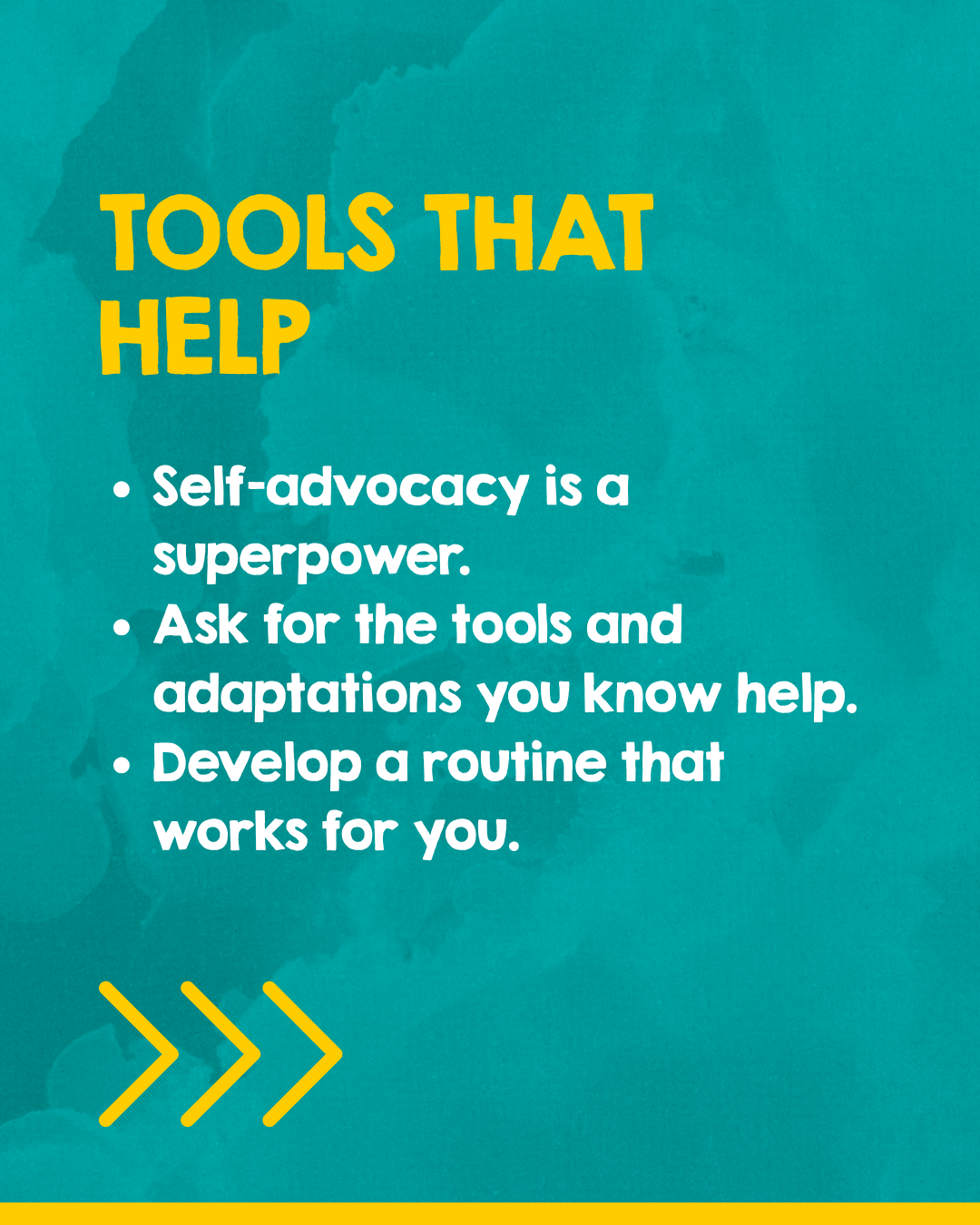
A safe space to ask, listen and problem-solve together matters. Supports, strategies and assistive tools are not shortcuts. They can help young people participate more fully and build the confidence to say, “This is what helps me.”
Every step towards self-advocacy and independence deserves to be celebrated.


FRIDAY - DCD IS LIFELONG
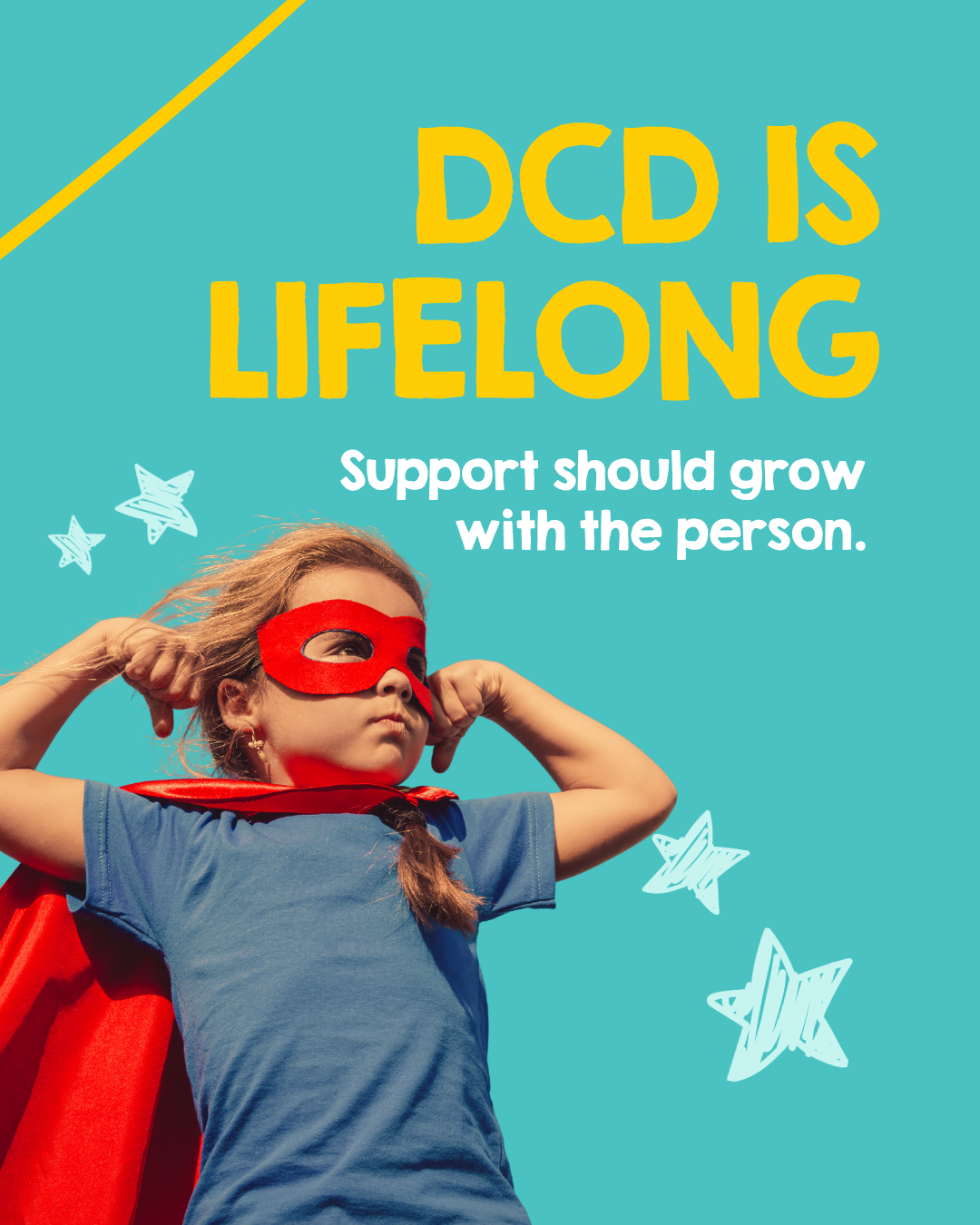
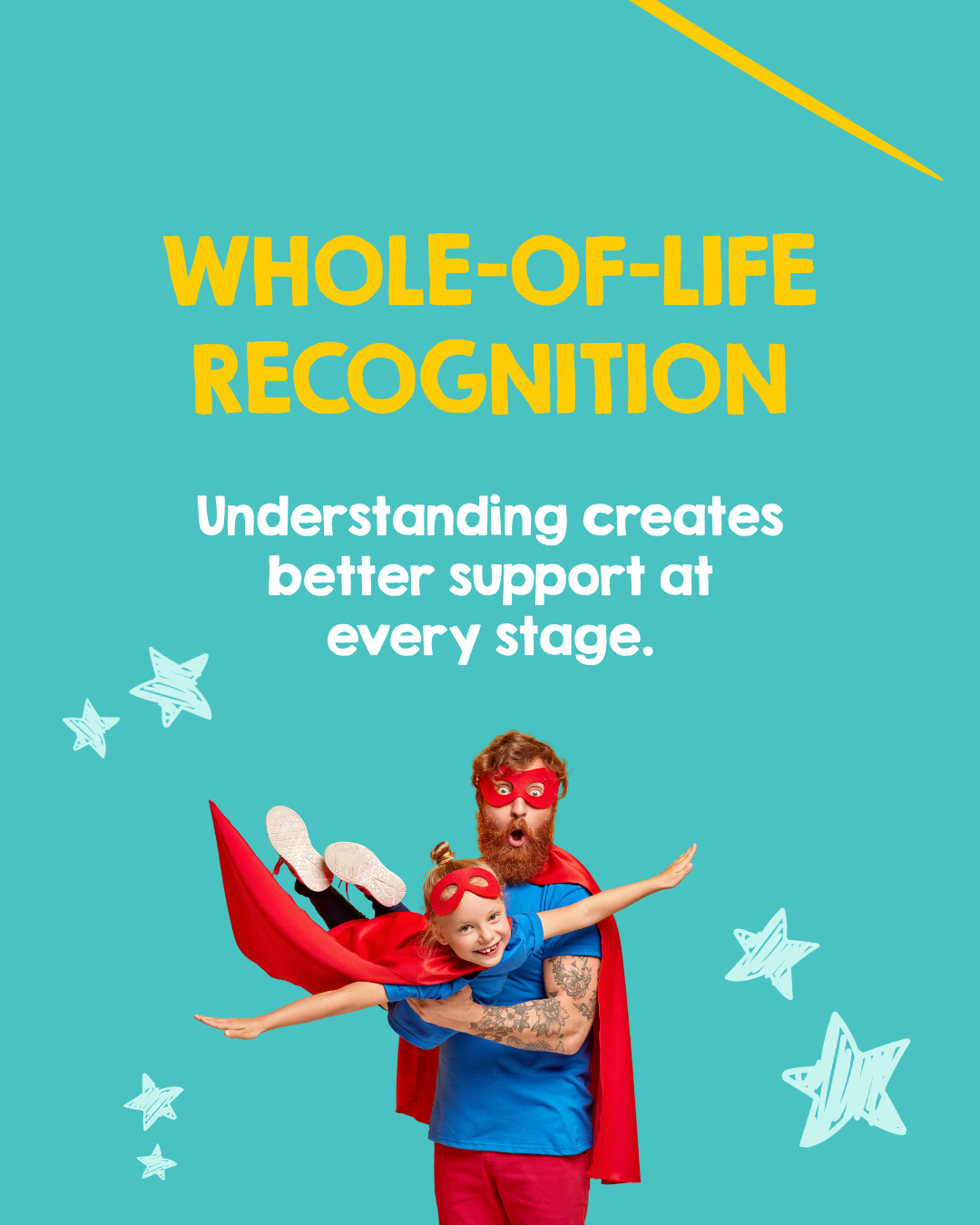
DCD is lifelong. The children we support today will grow into teenagers and adults who deserve to be understood and supported at every stage of life.
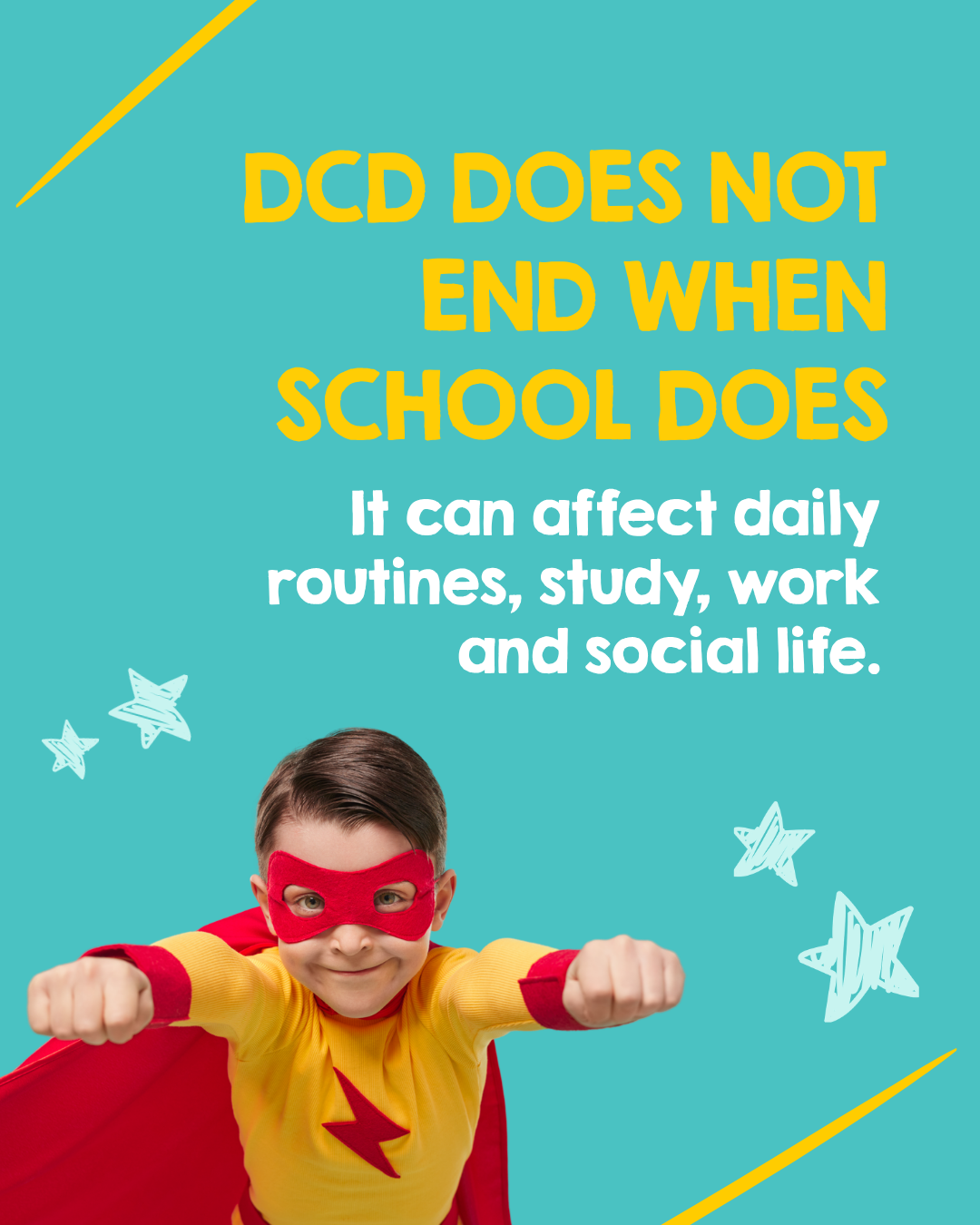
DCD can continue to affect daily routines, study, work and social participation. Recognising DCD as a whole-of-life condition helps families, educators, workplaces and communities respond with greater understanding and more meaningful support.
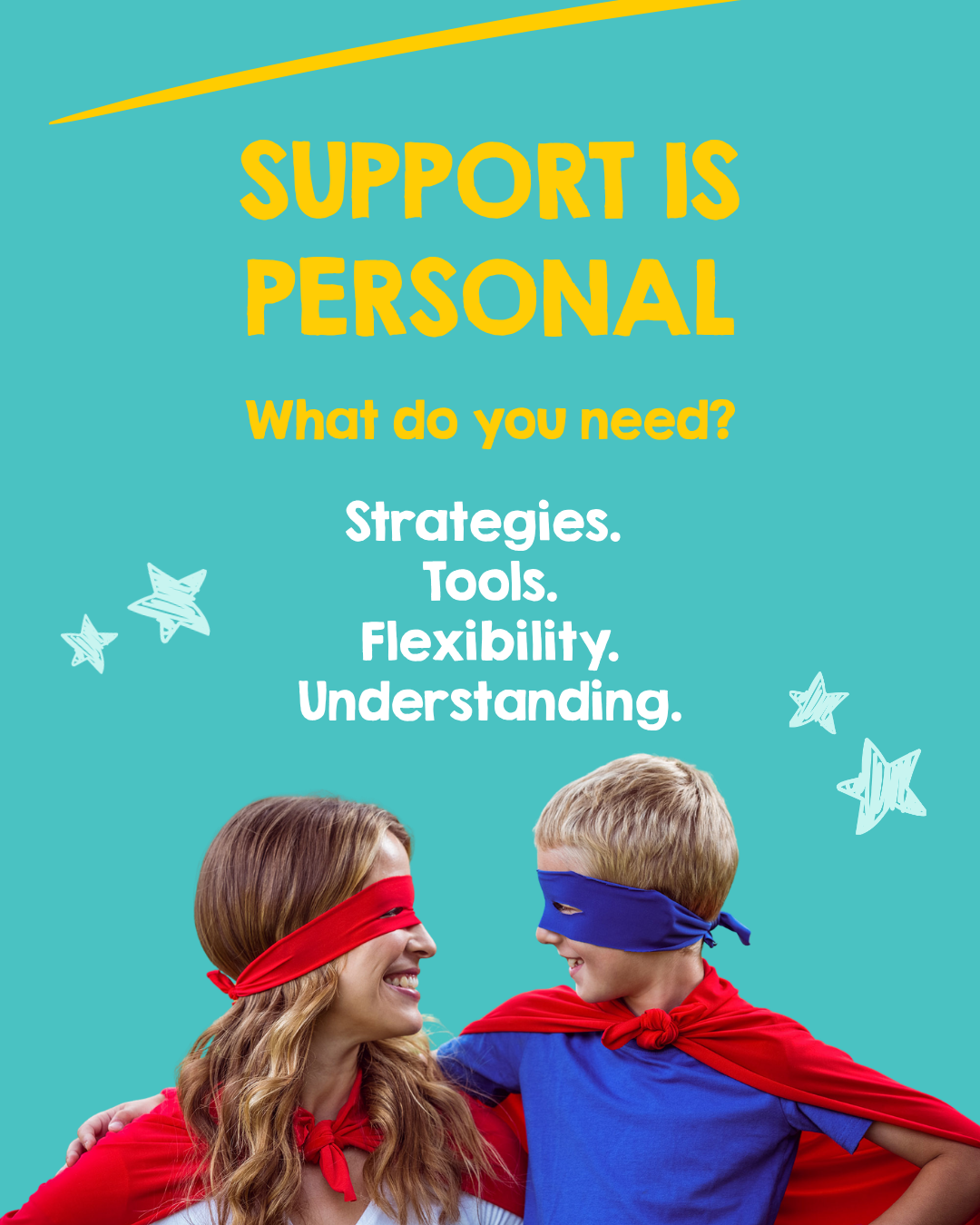
Support will look different for every person. It may be a strategy that makes a daily task easier, a tool that removes a barrier, flexibility when it is needed, or simply being listened to without judgement.
DCD does not define a person’s worth or potential. Together, we can build a future where people with DCD are supported to live happy and fulfilling lives.


LIVE WEBCAM LINKS
Niagara Falls: 15 minutes at 10pm
Toronto: CN Tower
OFFICIAL RECOGNITION
We’re proud to share that the Government of British Columbia has formally proclaimed DCD Awareness Week. This official recognition highlights the importance of raising awareness, supporting families, and fostering understanding of Developmental Coordination Disorder within our communities.